THE LONG VIEW · 1652–2026
One timeline.
Many rivers.
The events did not happen in isolation. Across centuries, colonial governments redrew borders, financed dams, occupied cities and controlled waterways. Farmers, workers and communities lived with the consequences—and organised to change them.
Follow the dates from left to right. Across each period, see Palestine beside other countries, colonial power beside hydraulic development, and the people who resisted.
Explore the historical panorama ↓Indonesia: irrigation, colonial sugar and the unfinished struggle over rivers ↗
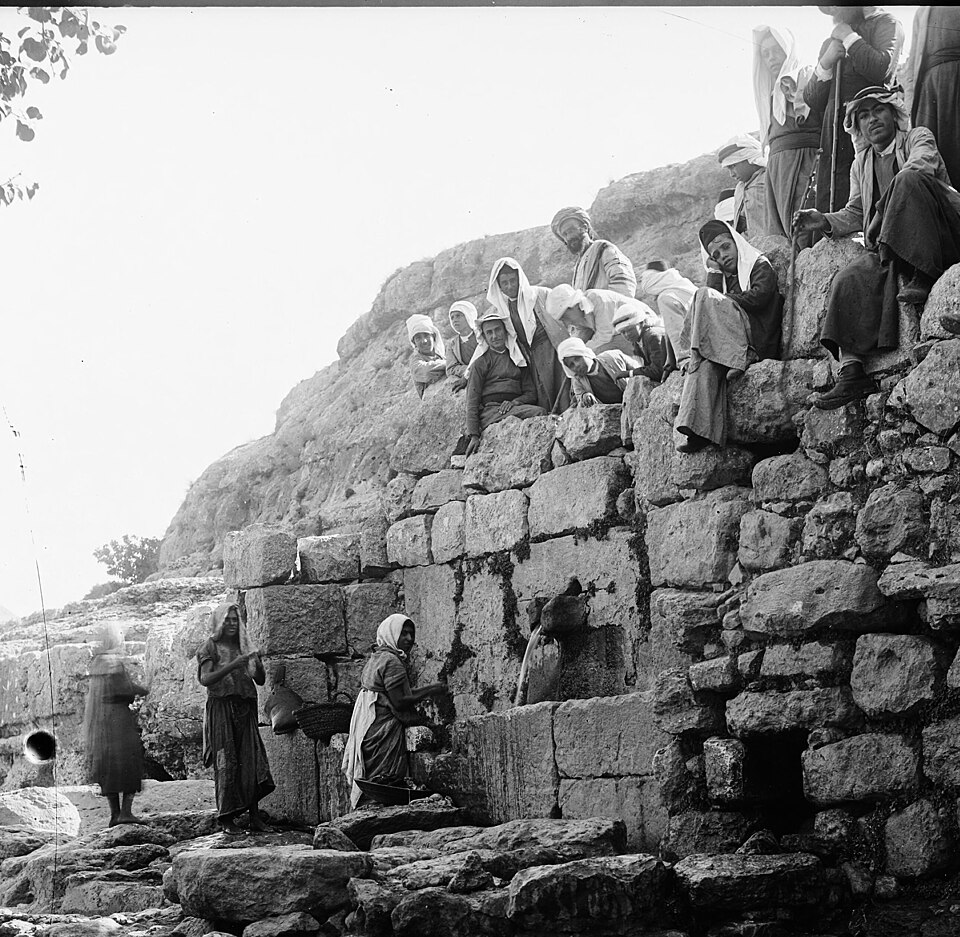
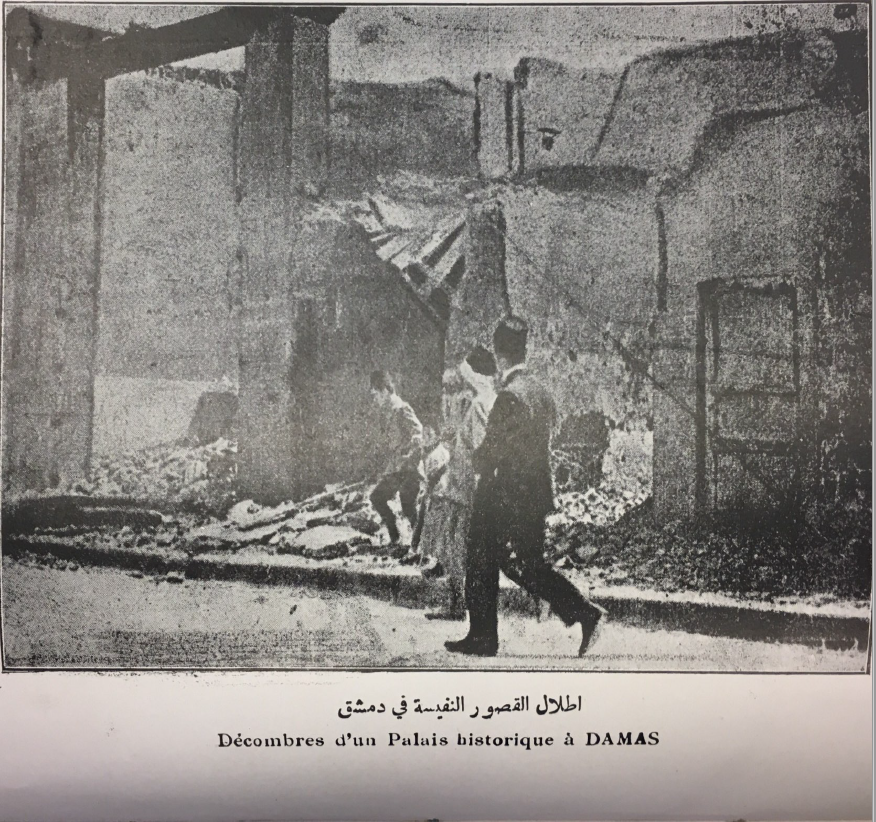
LAND / WATER / EMPIRE / LIBERATION
TIME, POWER & THE RIVER
The connected history
Move through time, or follow one thread across the centuries. Select any event to enter its full story.
YEARS →THREADS ↓
Water already had histories
Long before colonial surveys, communities maintained springs, canals, terraces and fisheries.
Empires enter new lands
Colonial campaigns advanced along ports, roads, valleys and strategic waterways.
Survey, annex, extract
Borders, property systems and canal programmes changed who controlled land and water.
The imperial engineering age
Canal colonies, occupied territories and river measurements served expanding states.
Mandates, dams, revolts
Political borders, river concessions and irrigation schemes grew alongside resistance.
Independence and dispossession
The end of some empires did not settle land rights or undo hydraulic hierarchies.
New flags. Older structures.
New states inherited borders, dams, water laws and dependencies; some built alternatives.
Development, war, rights
Reform, conflict and new water-management languages changed access unevenly.
Water under intervention
Wars shattered water services; elsewhere organised communities challenged privatisation.
Rights on paper, war on the ground
International water commitments grew amid devastating wars and forced displacement.
The unfinished present
Water workers, displaced families and local organisers live with decisions made across generations.
PALESTINEA continuous historical story
EMPIRE & WARThe interventions, borders and violence
 Aden, an imperial port · archival photographAden, an imperial portAden connected Red Sea passage and British shipping; photographed under colonial rule.Read the story ↗Source ↗
 Tehran pro-Mosaddegh demonstrators, early 1950s; archival imageIran: Anglo-American coupBritish and US intelligence helped overthrow Mosaddegh after the nationalisation of oil.Read the story ↗Source ↗
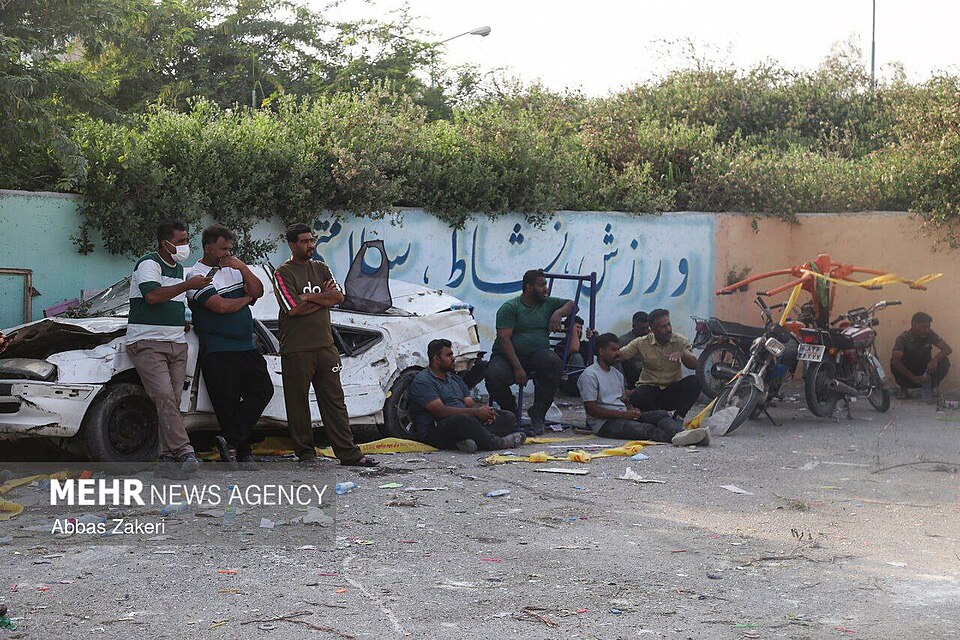 Abbas Zakeri / Mehr News · CC BY 4.0US strike on Minab school killed 123 children, UN findsUN investigators reported that a US airstrike killed 157 people at the school, including 123 children, and found reasonable grounds to believe the attack constituted a war crime.Read the story ↗Source ↗
RIVERS & EXTRACTIONWho builds, diverts and benefits
 Mali irrigation canal construction, 2006 · USAIDThe Office du Niger expandsA later US-funded canal shows the changed but enduring hydraulic landscape of the French colonial project.Read the story ↗Source ↗
 Mahdifahimi 135 · CC BY-SA 4.0Black rain over TehranIsraeli strikes on fuel depots caused fires, smoke and polluted rainfall; UN experts warned about water and soil contamination.Read the story ↗Source ↗
WATER KNOWLEDGESurveys, treaties, development and policy
PEOPLE & RESISTANCEOrganising, survival and liberation
 Omar Mukhtar · 1931 historical photograph · Wikimedia CommonsExecution of Omar MukhtarItalian authorities captured and executed the Libyan resistance leader.Read the story ↗Source ↗
 Musa al-Alami · photograph 1918 · Wikimedia Commons, public domainBuilding the Arab Development SocietyMusa Alami and Palestinian workers developed land and vocational training for displaced children.Read the story ↗Source ↗
 Kwame Nkrumah · Wikimedia Commons / Knust · CC BY-SA 3.0Ghana’s independenceKwame Nkrumah helped lead Ghana to independence and later criticised neocolonial dependence.Read the story ↗
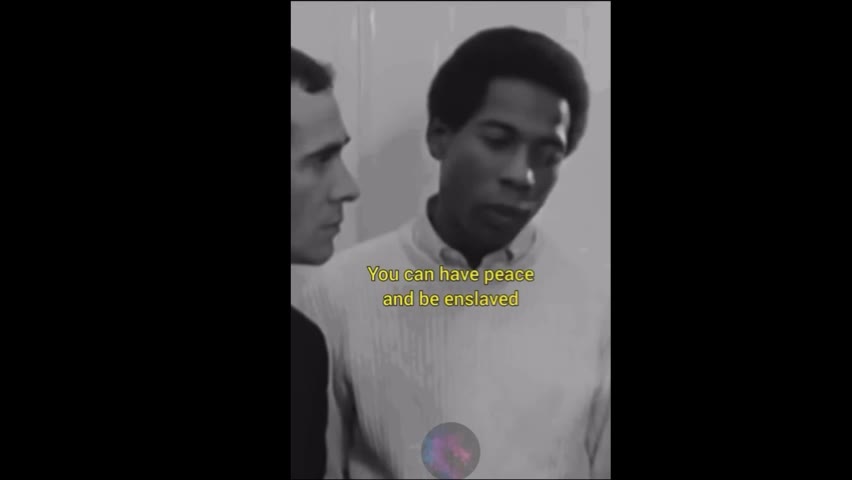 Kwame Ture · frame from Tell Me Lies, 1968Kwame Ture on liberationIn a filmed exchange, Ture challenged the idea that the absence of fighting was sufficient.Read the story ↗
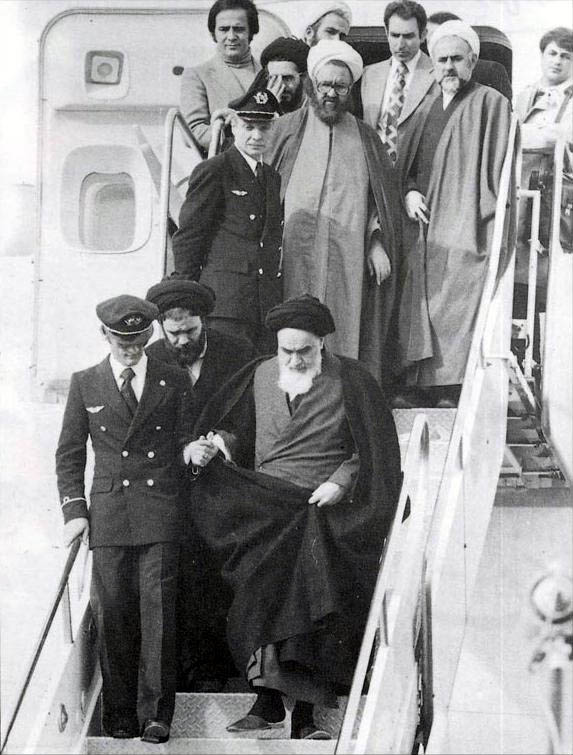 Ruhollah Khomeini returns to Iran · 1 Feb 1979 · Sajed.ir / Wikimedia Commons · GFDLIran’s revolution against the ShahMass protests and strikes ended the US-backed monarchy. Khomeini returned from exile and became leader of the Islamic Republic, whose subsequent repression of rivals is part of the same history.Read Iran’s history ↗Historical source ↗Photo credit & licence ↗Read licence ↗
 Patrice Lumumba and independence · archival photographPatrice Lumumba and independenceLumumba led Congolese independence; external intervention and violent struggle followed.Read the story ↗Source ↗
← Earlier centuriesSelected events · Stories continue beyond this overviewLater decades →
FOLLOW THE RECORD
The same date is not the same story.
Palestine remains the central narrative. Every other history has its own people, political circumstances and sources. The panorama makes their intersections visible without pretending that all wars, uprisings or environmental crises had one cause.