Who wrote the water rules?
A history of water science, maps, engineers, treaties and development—alongside the people and empires they served.
Knowledge can protect lives. It can also give governments new tools for controlling land, labour and rivers. The history is both.
 Archive image could not load; read the primary document linked beside this scene.
The knowledge that was already there
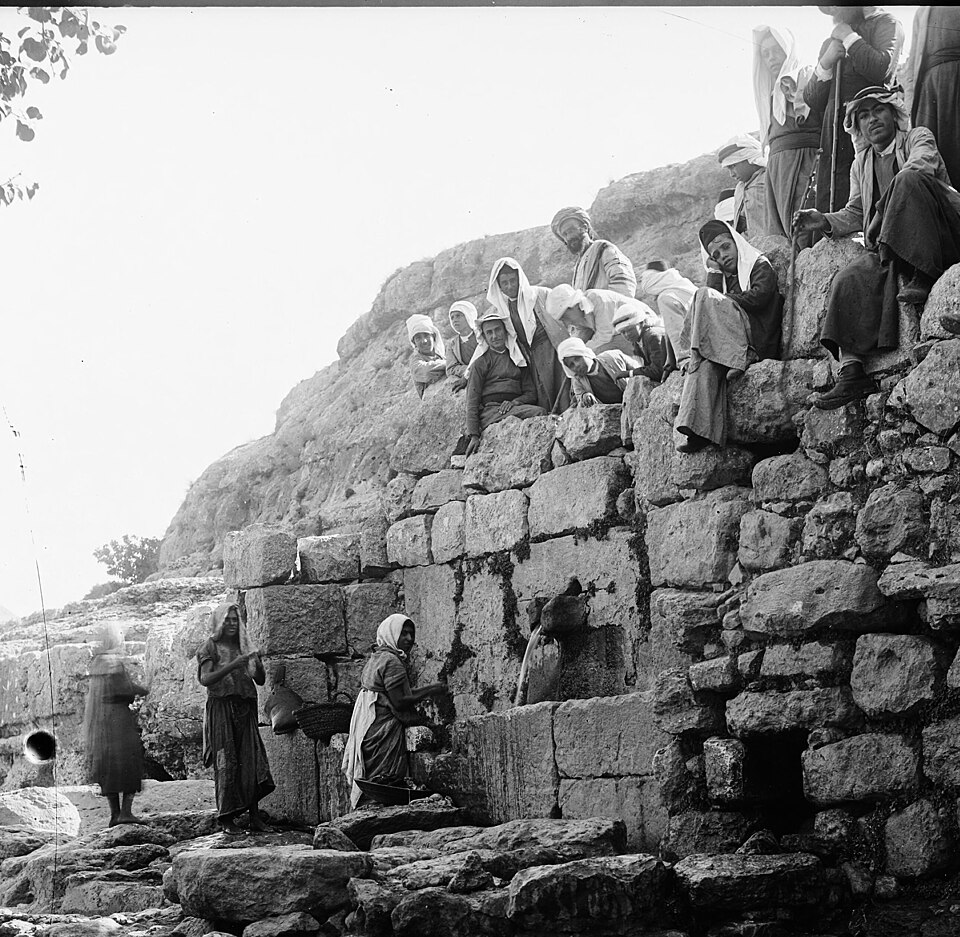
Qanats, cisterns, terraced irrigation, flood-recession cultivation and Indigenous fisheries were developed and maintained across regions over many centuries. The modern story of hydrology does not begin with Europe or a colonial survey.
 Archive image could not load; read the primary document linked beside this scene.
London maps its drinking water
John Snow investigated a London cholera outbreak and used a map of deaths near a public pump. This was important public-health knowledge. It unfolded in the same century that European powers were mapping and administering rivers abroad. The two histories must be connected through evidence, not by suggesting Snow designed colonial irrigation.
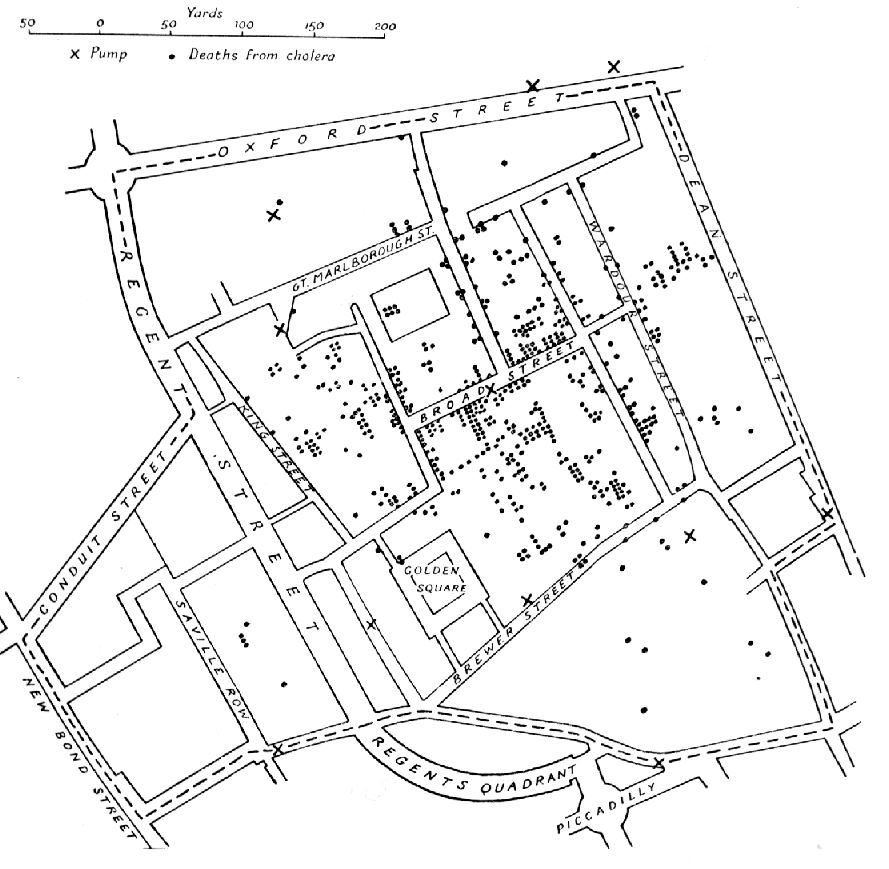 Image could not load; follow the archive source cited in the caption.
Surveys become border evidence
British surveyors and arbitrators drew lines across the Helmand-Sistan frontier. Hydrological observation, mapping and political claims overlapped. Survey information acquired power when imperial authorities used it to adjudicate territory.
Archive image could not load; read the primary document linked beside this scene.Engineering the imperial farm
British canal administration in India and irrigation projects in Egypt and Sudan joined surveying, construction, land settlement and export agriculture. Engineering increased water delivery while the allocation of land, labour and benefits reflected colonial power.
Archive image could not load; read the primary document linked beside this scene.The dam as development promise
New dams promised irrigation, energy and order in colonial territories. Sennar and Office du Niger show why we must examine the labour, relocation and crop markets behind their technical achievements.
Archive image could not load; read the primary document linked beside this scene.Postcolonial planning
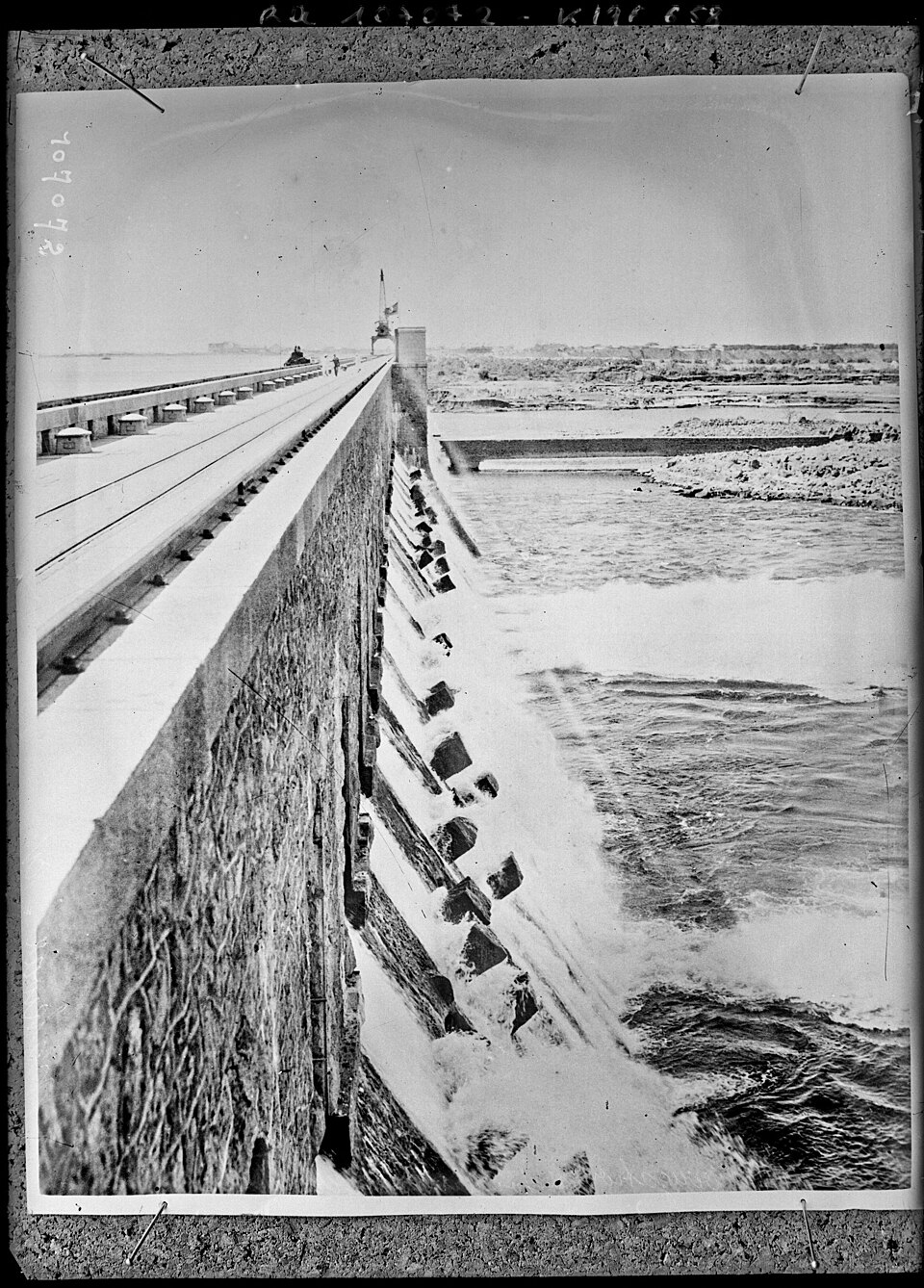
Independence-era governments pursued dams, groundwater and agricultural expansion to raise food and electricity production. Some projects expanded public services; others displaced people or deepened dependence on external expertise and finance. Outcomes differ by place.
 Archive image could not load; read the primary document linked beside this scene.
Water enters global development agendas
The UN Water Conference at Mar del Plata helped establish the language of national water planning and universal access. Those commitments grew alongside the work of international agencies and borrowing governments.
Water became a world agenda
A contemporary editorial guide to the 1977 conference, not its archival photograph.
Participation and economic value
The Dublin Statement promoted integrated management, participation and recognition of the economic value of water while also acknowledging basic rights to affordable water. How those principles were interpreted in reform programmes varied greatly.
Participation. Value. Power.
Schematic of selected Dublin principles, not the original declaration.
Water recognised as a right
The UN General Assembly recognised the human right to safe and clean drinking water and sanitation. An international statement did not guarantee delivery in villages under occupation, communities displaced by mining, or cities caught in war.
A right recognised is not yet a right realised
Original interpretive graphic; inspect the actual UN resolution for its wording.
Satellites, forecasts and political choices
Remote sensing, digital monitoring and AI can reveal changes in rivers and drought exposure. They do not decide who should own a well, which communities must move for a dam, or who can challenge a permit. These remain political and legal decisions made by people and institutions.
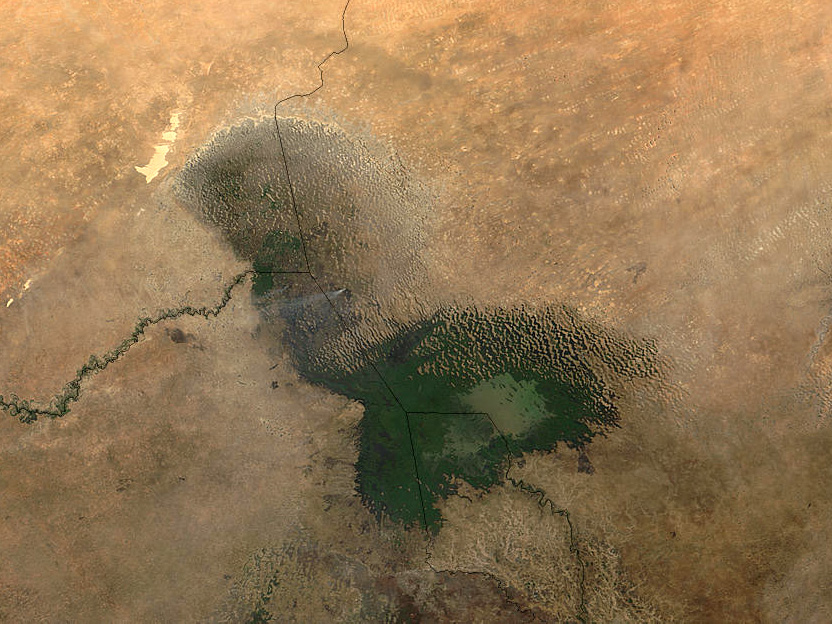 Image could not load; follow the archive source cited in the caption.
Abu Dhabi: who is diplomacy protecting?
The United Nations will convene its next Water Conference in Abu Dhabi on 8–10 December 2026, co-hosted by Senegal and the United Arab Emirates. Six dialogues promise rights, cooperation, prosperity and investment. The preparatory record does recognise conflict and humanitarian emergencies, and UNRWA has contributed. Yet none of the six principal dialogue titles names Palestine, occupation or colonial rule. Will the destruction of water systems be discussed as a technical problem—or as the consequence of decisions by identifiable authorities?
The host country makes the question sharper. The UAE has condemned Israeli attacks and threatened displacement in Gaza, while maintaining diplomatic and economic relations with Israel. The official conference is UN-managed, but everyone attending must also complete mandatory UAE host-country registration, and UN accreditation does not guarantee entry. At COP28 in Dubai, activists reported restrictions on messages about Gaza; rights organisations documented the UAE's wider restrictions on assembly and dissent. This record warrants scrutiny. It does not establish that anyone has been censored at a conference that has yet to take place.
Expressions of sympathy are not the same as accountability. A conference can affirm the right to water and still evade the question of who withheld it. If Abu Dhabi names the victims but not the occupying authorities, arms suppliers, political alliances or systems of control, diplomatic courtesy will have narrowed the meaning of its own human-rights promise.
Three questions to carry into December
- Who gets named? Will accounts of Gaza and the occupied West Bank identify the actors and policies controlling water, rather than describing harm in passive language?
- Who can speak? Will Palestinian witnesses, civil society and other communities living under occupation or extractive rule be heard on their own terms, without restrictions on naming those responsible?
- What must change? Will the Presidents' summary and subsequent commitments address repair, access, permits, material support and accountability—not simply sympathy and new pledges?
This is an editorial challenge written before the conference, not a report of its proceedings. We will judge the published speeches, participation record and Presidents' summary against these questions after 10 December.