
UNICEF: Sudanese health workers respond to cholera
UNICEF USA, 8 July 2025
Original film ↗Blue Nile irrigation, cotton, British rule, independence and displacement.
← Choose another history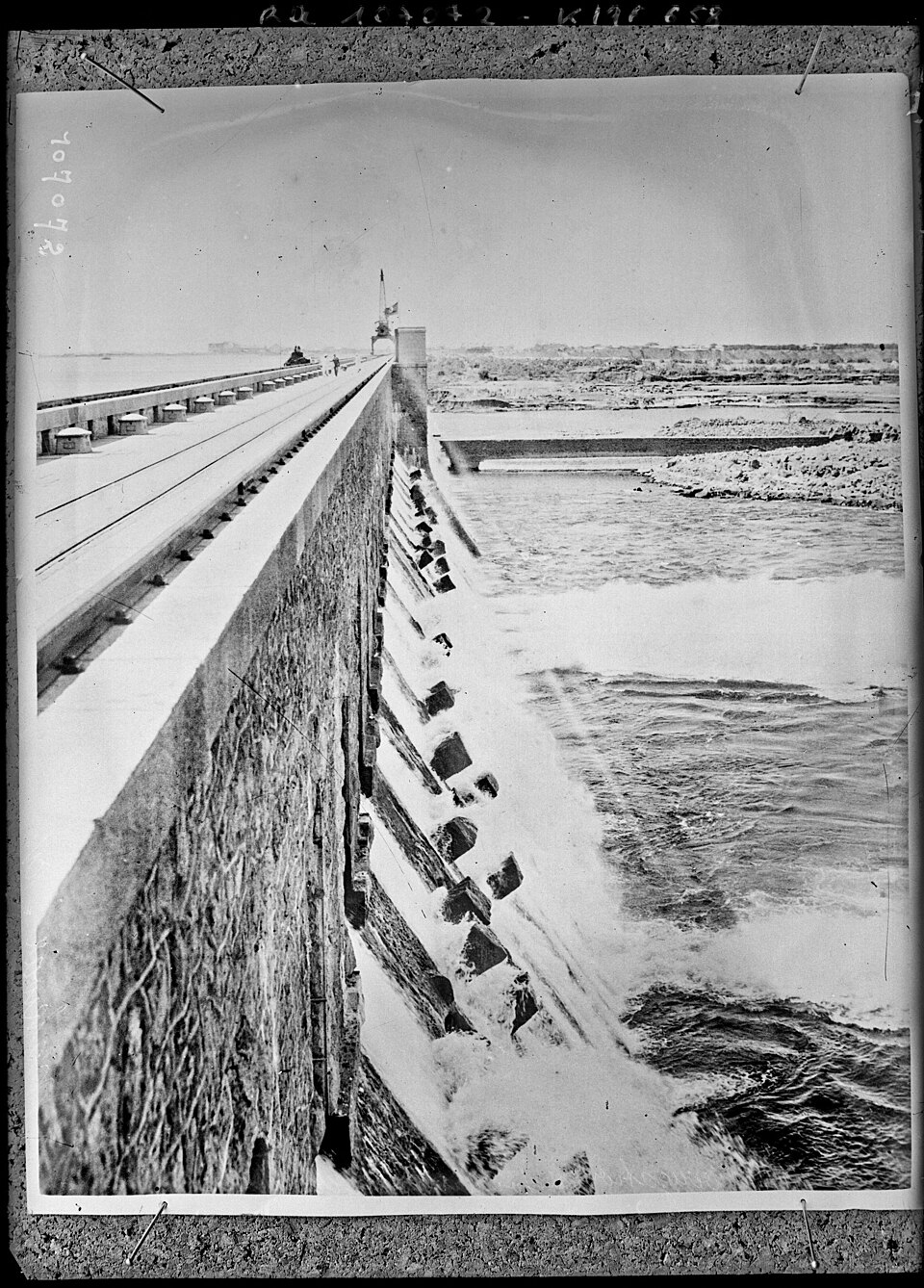 Archive image could not load; read the primary document linked beside this scene.
Before Anglo-Egyptian rule, the Middle Nile was home to Kushite, Meroitic and Christian Nubian societies with their own languages, rulers, crops and hydraulic work. From the later ancient period, animal-powered saqiya waterwheels became central to cultivating riverbanks and land above the annual flood, while channel works and locally managed fields supported settlements. Makuria and other Christian kingdoms flourished beside the Nile long before later Islamic polities and the Funj period reshaped the region. The exact timing and extent of the saqiya’s first introduction are debated, and powerful kingdoms were not free of inequality. This layered African history matters when twentieth-century officials narrate the Gezira Scheme as if systematic irrigation began with British investment.
Original scholarship, heritage record or community history. Follow the source for its historical context.
Read the record ↗In the late nineteenth century, British military and diplomatic involvement in Egypt and Sudan changed control over Nile trade, navigation and irrigation. The river became a strategic route and an economic resource administered through unequal political power.
Archive image could not load; read the primary document linked beside this scene.The 1899 Anglo-Egyptian agreement established a condominium in Sudan, but British officials held decisive administrative power. The Nile valley was surveyed for crops, irrigation and imperial commerce. Across the country, unequal colonial administration invested in some riverine areas while governing vast rural regions through indirect rule and limited services.
One year before that agreement, on 2 September 1898, Kitchener’s British-led Anglo-Egyptian army defeated the Mahdist forces at Omdurman, near the meeting of the Blue and White Niles. The British National Army Museum records approximately 10,000 Mahdist fighters killed and 13,000 wounded, against fewer than 50 British-led army deaths. The violence that enabled colonial control must appear in the history alongside the subsequent irrigation plans.
The historical record can be read beside this chapter.
Historical overview: Sudan Britannica ↗Documentary source · No event photograph claimedWhen the Sennar Dam began supplying the Gezira irrigation scheme, it helped turn Blue Nile water into cotton for international trade. British commercial interests and Sudanese tenant farmers did not occupy equal positions in the project. The tenants supplied labour on land they did not fully control, under an arrangement devised for export production. The canals remained long after colonial rule ended.
Archive image could not load; read the primary document linked beside this scene.The Sennar Dam was completed in 1925 to feed the Gezira Scheme during Anglo-Egyptian rule. Colonial officials and commercial cotton interests linked Nile irrigation to British textile production. Sudanese farmers and labourers worked the land, while the project established enduring arrangements over crops, rents and control of the river. The colonial irrigation system remained after independence, even as governments and farmers contested who benefited from it.
Original record: Historical Gezira and Sennar materials already cited on this site
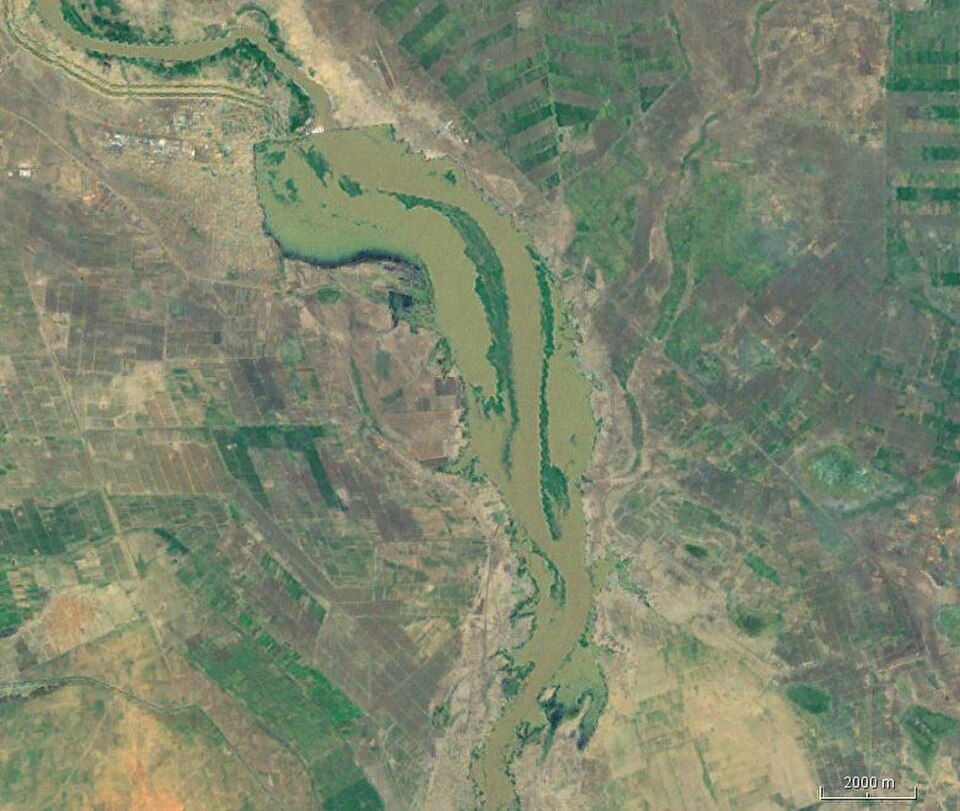
View the source ↗When Sudan became independent in 1956, it inherited a state organised around the Nile’s central irrigated districts and marginalised peripheral regions. Gezira’s canals had linked British commercial cotton interests to Sudanese tenant labour, and the new government retained their export and investment geography. Later national regimes faced declining productivity, debt and political crisis. World Bank rehabilitation lending in the 1980s and reform advice in 2000 intersected with domestic programmes, but it was Sudan’s own rulers and connected business networks that determined the form of Gezira’s 2005 privatisation. A 1959 Egypt–Sudan Nile agreement also allocated flows without including other upstream countries.
The United States imposed broad economic sanctions on Sudan in 1997, adding another constraint to an economy already marked by civil wars, uneven investment and state repression. The United States lifted most comprehensive sanctions in 2017; later targeted measures addressed Darfur and the 2023 war. Neither sanctions nor their removal resolved the deeper struggle over land, political power and essential services.

The Sudanese government’s Gezira Scheme Act of 2005 shifted major irrigation tasks to Water Users Associations while state assets and service functions moved towards private companies. Ethnographic research with scheme participants describes vulnerable tenants, poorly functioning irrigation coordination and business opportunities captured by figures connected to the ruling Islamist networks. Gulf finance and local political patronage mattered alongside the global language of market efficiency. This was not a simple World Bank order: the Bank had advised on Gezira and earlier financed rehabilitation, but the 2005 law was a Sudanese political choice. Farmers contested the distribution of water, costs and authority within canals built for colonial cotton.
Original policy, archival or research record. Inspect the source for its exact context.
Read the record ↗South Sudan gained independence in 2011 after decades of war. New boundaries did not settle the long history of state violence and uneven development. Nile wetlands, farming and seasonal floods remained essential to communities whose lives were disrupted by later fighting.
The historical record can be read beside this chapter.
UN South Sudan country profile ↗Documentary source · No event photograph claimedSudan’s war, begun in April 2023 between the Sudanese Armed Forces and the Rapid Support Forces, reached the pumps and treatment plants. UNICEF reported that only four of Khartoum State’s seventeen water treatment plants remained functional because of attacks and power failures. Families returning to damaged neighbourhoods faced contaminated supplies and cholera. In May 2025, Sudanese technicians and humanitarian workers were trying to restore safe water by supplying treatment chemicals and repairing power equipment.
UNICEF USA · 2025
War between Sudan’s Armed Forces and the Rapid Support Forces erupted in April 2023. Attacks on power installations, looting and damage to treatment plants stopped water supply in many places. UNICEF later documented that only four of Khartoum State’s seventeen water-treatment plants remained operational. The violence was carried out by Sudanese armed actors; the unequal geography of investment and political authority they inherited also has a longer colonial history.
The historical record can be read beside this chapter.
UNICEF South Sudan 2026 ↗Documentary source · No event photograph claimedUNICEF USA, 8 July 2025
Original film ↗