Mali / Niger River
Colonial irrigation built through forced labour and resettlement.
← Choose another history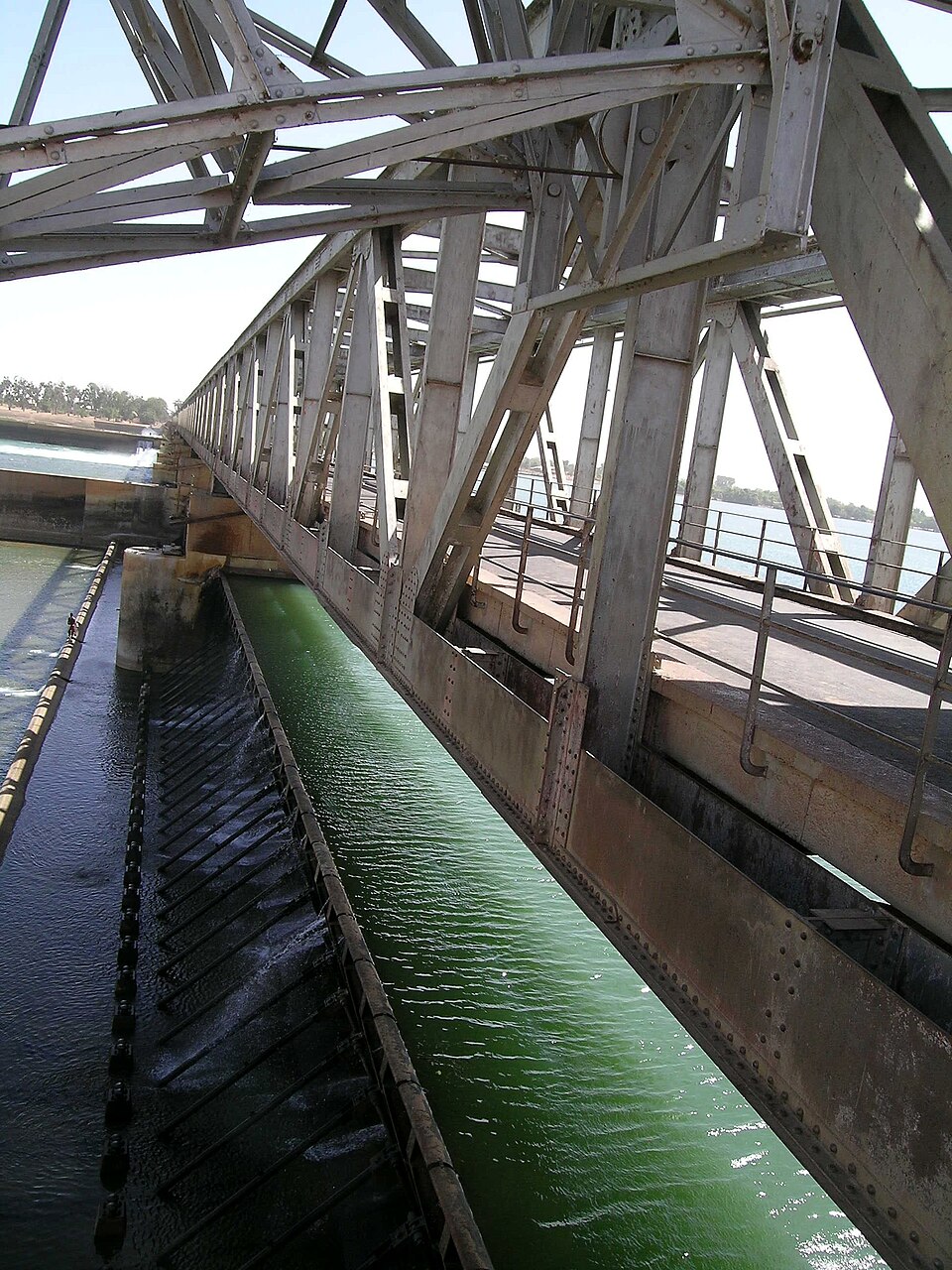
Djenné and the science of the seasonal flood
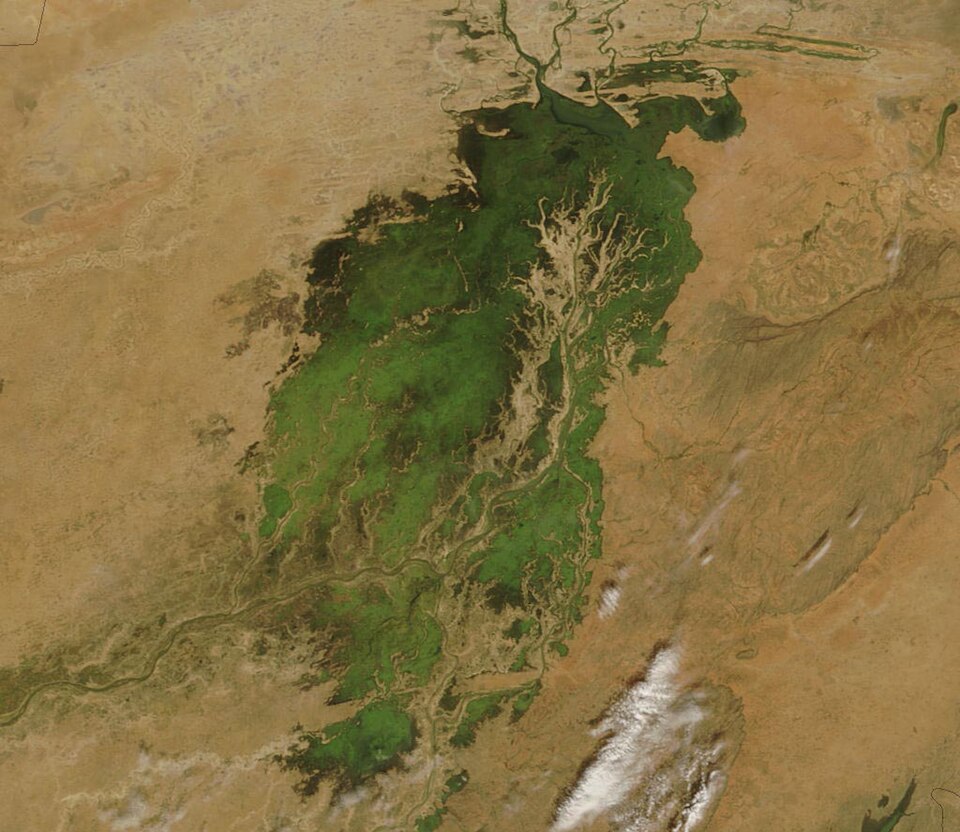
Long before France imposed cotton production along the Niger, communities in the Inland Niger Delta learned to live with an annually moving flood. Archaeology around Jenné-jeno and Jenné records an older economy of African rice, fishing, grazing, millet and river trade. Bozo fishers and Nono, Marka and Soninké farming communities have deep histories in the region; later Fulani pastoralists and other peoples added their own systems of movement and negotiation. Flood-recession cultivation was skilled adaptation to a dynamic environment, not a failed version of permanent canal irrigation. The French Office du Niger imposed a radically different purpose, geography and labour regime on part of this river world. Restoring the delta’s earlier history makes that rupture legible.
Archival image unavailable. Open the institutional record ↗
Timbuktu: the Niger carried books as well as grain
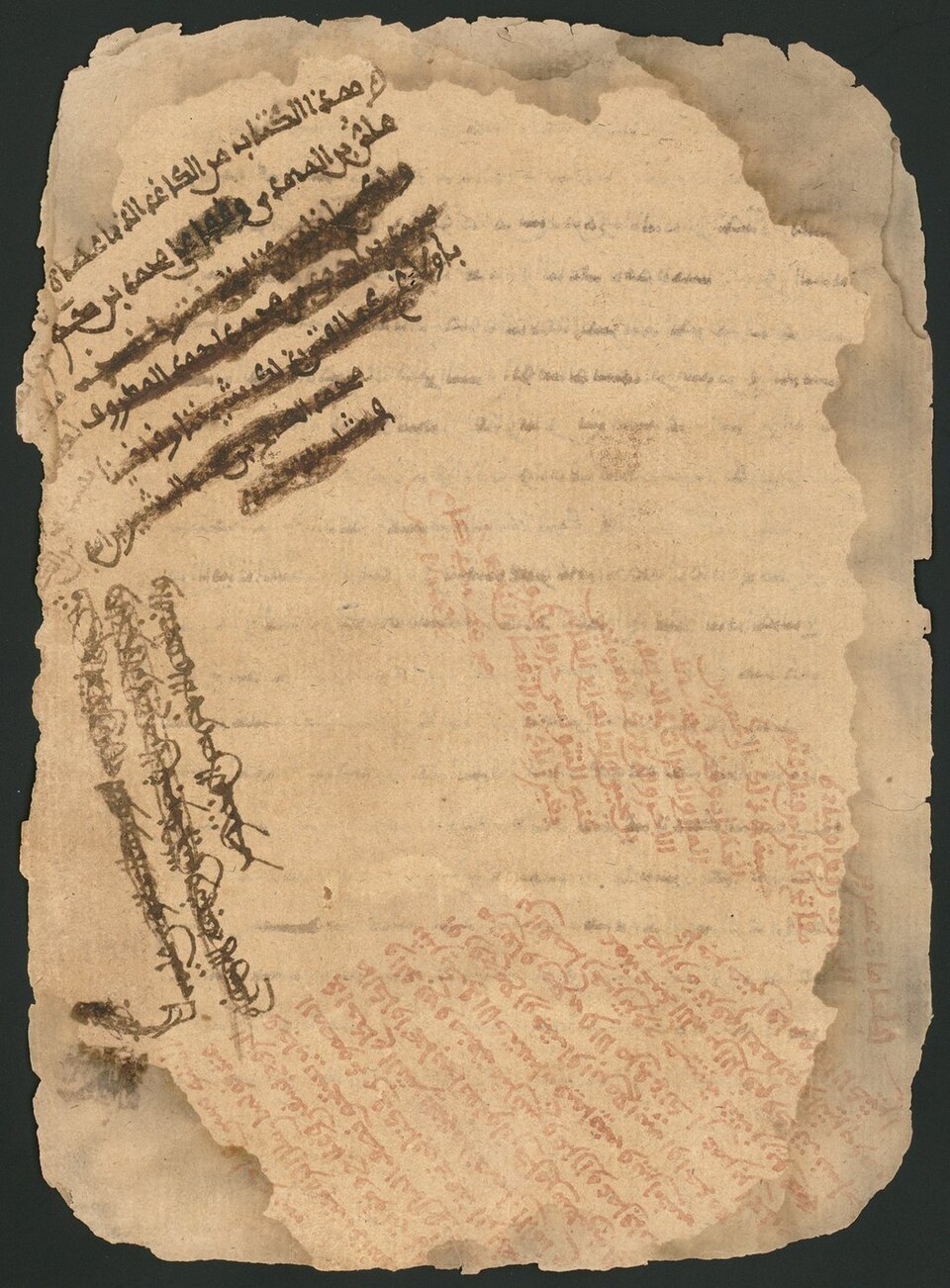
The medieval and early modern Niger was a corridor of scholarship, commerce and political argument. Timbuktu’s growth under the Mali and Songhai worlds connected river transport, Saharan caravans, urban markets and manuscript production. Scholars wrote and copied works of law, theology, astronomy and other fields; families preserved libraries across generations. Timbuktu did not replace the varied knowledge of Niger fishers, herders and cultivators; it was one intellectual centre within an already sophisticated region. Neither Islam nor African civilisations were singular or without hierarchies, and merchants also participated in systems of slavery. But reducing this past to a poor, undeveloped territory awaiting colonial administration erases powerful African institutions that existed before French rule.
Archival image unavailable. Open the institutional record ↗
Farming along the Niger
Farmers, pastoral communities and traders relied on river floods, seasonal land use and local knowledge in the Niger’s inland delta. This landscape had a long political and agricultural history before conquest by France.
Farming along the Niger
The historical record can be read beside this chapter.
Inland Niger Delta FAO ↗Documentary source · No event photograph claimedFrench conquest and administration
French forces extended colonial control across what was then called French Soudan. Political authority, taxation and labour demands were reorganised under imperial rule.
French conquest and administration
The historical record can be read beside this chapter.
French Soudan background ↗Documentary source · No event photograph claimedThe cotton scheme and forced labour
French administrators planned the Office du Niger to grow cotton for mills in France. To build canals and populate the scheme, the colonial government requisitioned labour and moved African households, sometimes against their will. The irrigation works were celebrated as engineering progress in official accounts; for many families they meant loss of control over where they lived and how they farmed.
Thirty thousand people moved for cotton
By 1945, about 30,000 people had been forcibly resettled for the Office du Niger, according to historian Jean Filipovich. Some were brought from other parts of French West Africa. At the very moment colonial officials privately judged the project unsuccessful, the families who had been moved still had to rebuild their livelihoods around its fields and canals.
Thirty thousand people moved for cotton
The historical record can be read beside this chapter.
Filipovich, Journal of African History ↗Documentary source · No event photograph claimedFrench officials forced families onto cotton land
Émile Bélime imagined that the Niger River could irrigate cotton for French textile factories. The Office du Niger lacked enough settlers to achieve those ambitions. Colonial officials therefore used coercion to resettle roughly 30,000 Africans from across French West Africa by 1945. Some families left their homes and established new lives on land organised around a crop they had not chosen. The colonial ministry privately judged the scheme a failure; later administrations repackaged it as development assistance.
Primary evidence: Jean Filipovich: forced settlement at Office du Niger, 1926–45
View the source ↗A colonial project after independence
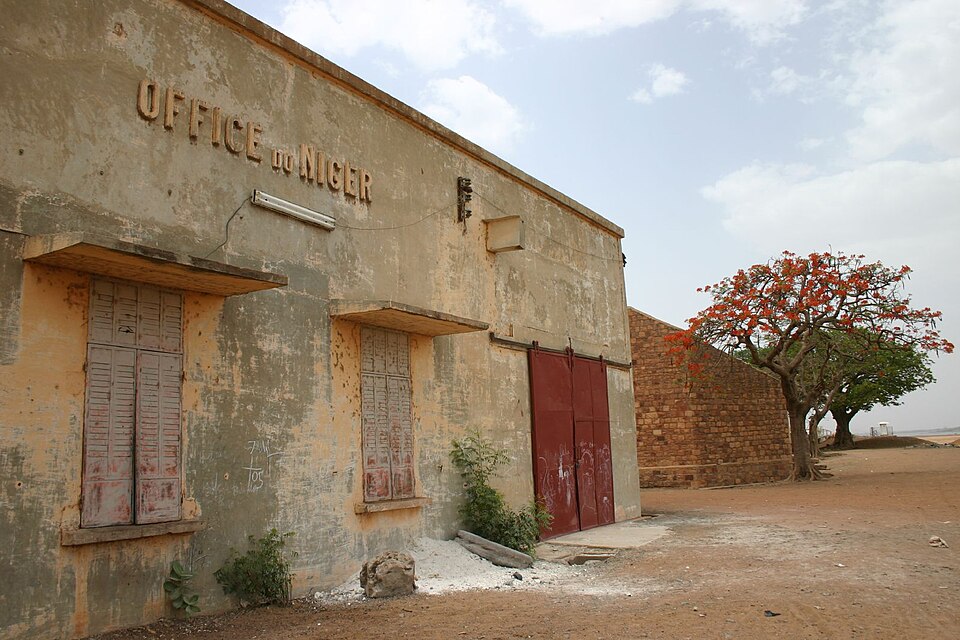
When Mali became independent in 1960, it inherited the Office du Niger: a canal system constructed with colonial forced labour to supply French textile interests with cotton. It was not dismantled; the scheme moved increasingly towards rice and became central to national food policy. From the late 1980s, reform coalitions inside Mali worked with the World Bank, the Netherlands, France and others to reorganise the scheme. That was neither a simple continuation of French colonial rule nor an escape from its geography: existing canals and land authority were redirected through market reform, external finance and new farmer–agency relations. The next chapter follows the reforms and the unequal distribution of their gains.
A colonial canal becomes a market-reform laboratory
Mali’s 1994 reform narrowed the Office du Niger’s remit towards water delivery and infrastructure, after rice marketing had been liberalised. IMF documents situate the change in a wider programme backed by the Fund and World Bank. Bank accounts describe higher yields, improved water delivery and farmer participation, but also celebrate privatisation of milling and marketing. The historical question is who gained secure water, land and bargaining power when a colonial scheme was reorganised for market efficiency. State officials, farmers and donors negotiated the reforms; external financial power constrained the range of available choices.
Original policy, archival or research record. Inspect the source for its exact context.
Read the record ↗The canals are still being extended
In 2006 a USAID photograph recorded construction of a new irrigation canal near Niono, within the wider Office du Niger area. The photograph is from the twenty-first century, not from the French colonial scheme of the 1930s. It captures the afterlife of a hydraulic project: different governments and funders now invest in land and water reshaped under colonial rule.

French troops return to a former colony
A rebellion, a military coup and jihadist attacks preceded France’s 2013 intervention, Operation Serval, undertaken at the request of Mali’s interim government. French forces recaptured towns, but the broader conflict did not end. Later foreign deployments, competing local armed movements and shifts in alliances changed the situation again. In the Niger basin, farmers still worked canals partly descended from a French colonial cotton project imposed through forced labour and displacement.
French troops return to a former colony
The historical record can be read beside this chapter.
UK Parliamentary briefing on French intervention ↗Documentary source · No event photograph claimedSanctions in a country already at war
Following the military government’s plan to delay elections, West African states in ECOWAS imposed major trade and financial sanctions in January 2022. An IMF assessment found rising prices and worsening food insecurity while the measures operated. These were regional sanctions, not simply Western ones. The present crises also involve domestic political choices, jihadist violence, foreign military deployments and conflicts over farming and pastoral livelihoods.
Sanctions in a country already at war
The historical record can be read beside this chapter.
IMF report, Annex III ↗Documentary source · No event photograph claimed