WATER
NEVER
DIES.
The empires drew borders. Their armies fought wars. Their rules still reach the rivers.
Britain governed Palestine and took control of Iraq. French forces bombarded Damascus. In Iraq, the 1991 war and sanctions damaged the systems supplying clean water; the United States and Britain invaded again in 2003. In 2017 a US-led coalition bombarded Raqqa. In Gaza, Israeli military operations and restrictions on fuel and supplies have devastated water and sanitation services. On 28 February 2026, the United States and Israel launched strikes on Iran. US forces struck Shajareh Tayyebeh Primary School in Minab, killing 157 people, including 123 children, according to a UN fact-finding mission. Days later, a strike damaged a desalination plant on Qeshm Island and cut water to more than 25 villages.
Follow the people living through those decisions: Palestinian farmers repairing a well, Iraqis whose sewage systems stopped working, Syrian families searching for home after Raqqa, and communities across Africa and Asia whose rivers were redirected for distant markets. These histories are also histories of resistance — and of the powers that tried to defeat it.
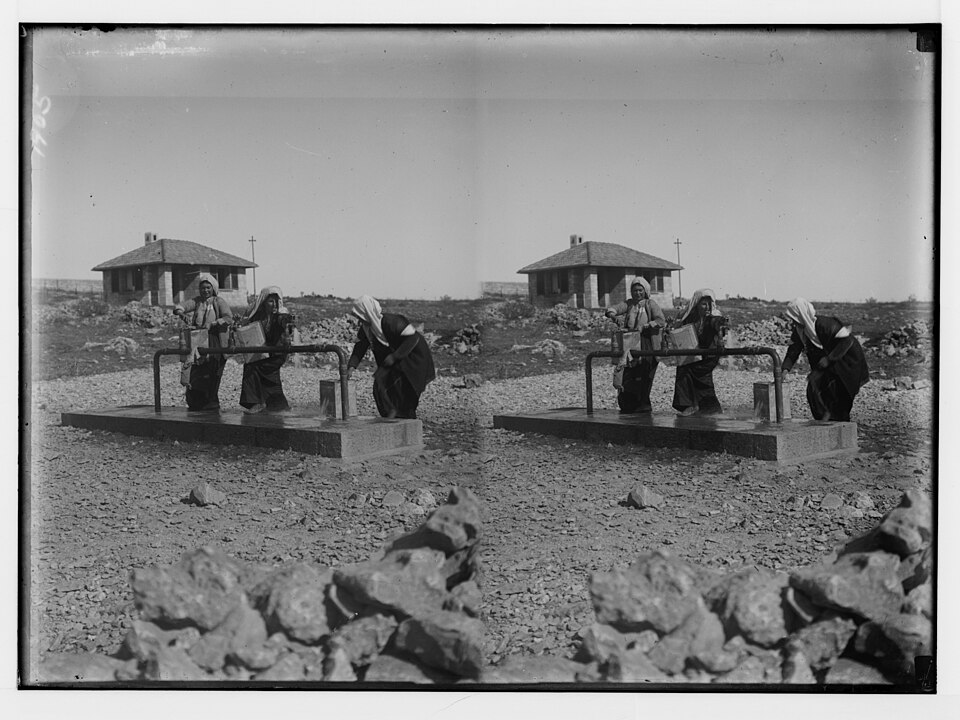
In 2024, 2.1 billion people lacked safely managed drinking water, while 3.4 billion lacked safely managed sanitation.
Progress has been real. But for whom—and at whose expense?
Why are water crises so often explained through scarcity, climate change and poor governance, while histories of colonial conquest, occupation, dispossession, extraction and concentrated wealth remain at the margins?
Water Never Dies explores these neglected histories, the structures of power behind them, and the people who have resisted.
Water and sanitation figures: WHO/UNICEF Joint Monitoring Programme, 2025 ↗Jason Hickel connects Palestinian liberation to the history of imperial power, resource extraction and the ecological crisis.
Palestine is not an isolated history.
Across different continents, colonial administrations seized land, imposed borders and redirected labour and water. In later decades, Western governments used coups, invasion, arms transfers, financial sanctions and military alliances to pursue strategic interests. The archives name their decisions; the stories follow the people who lived with the consequences.
Palestinians cultivated springs, terraces and fields long before Britain imposed its Mandate. Israeli occupation subsequently extended control over wells, permits and water infrastructure. Across other regions, colonial conquest, foreign intervention, extraction and resistance shaped rivers in different ways. These histories reveal who gained control over water—and who struggled to reclaim it.
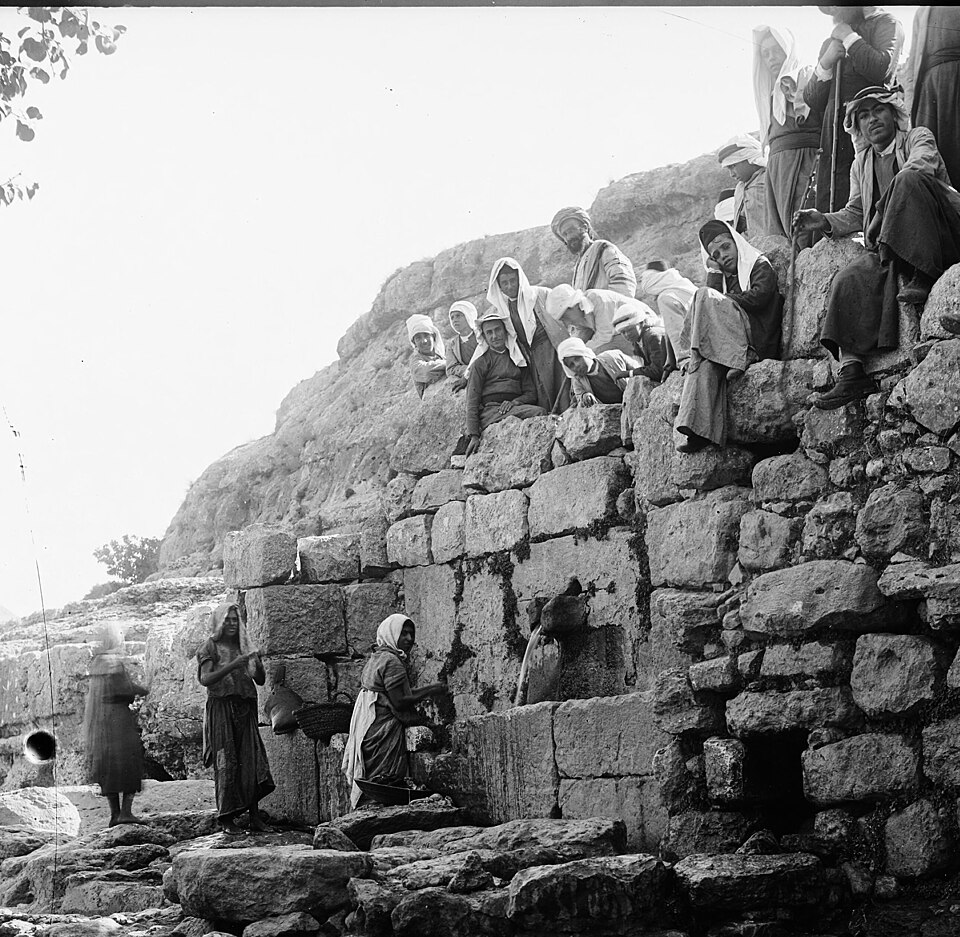 1901 · PALESTINEThe spring at Battir, photographed before British ruleBnF · historical photograph
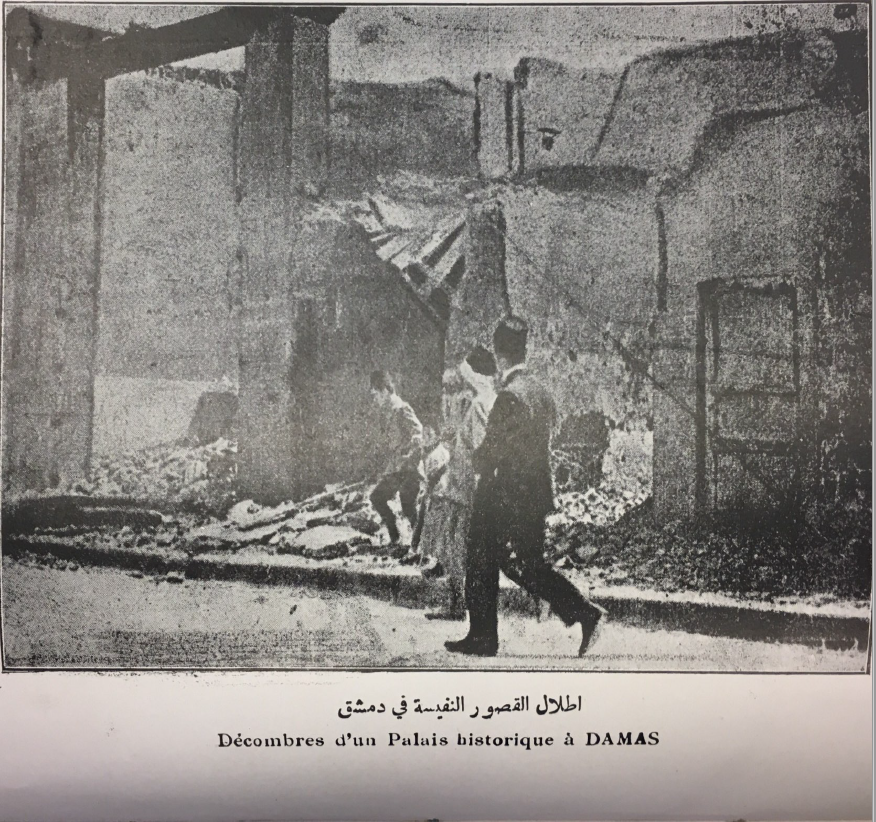 1925 · SYRIADamascus after French bombardmentLeague of Nations Archives · 1925
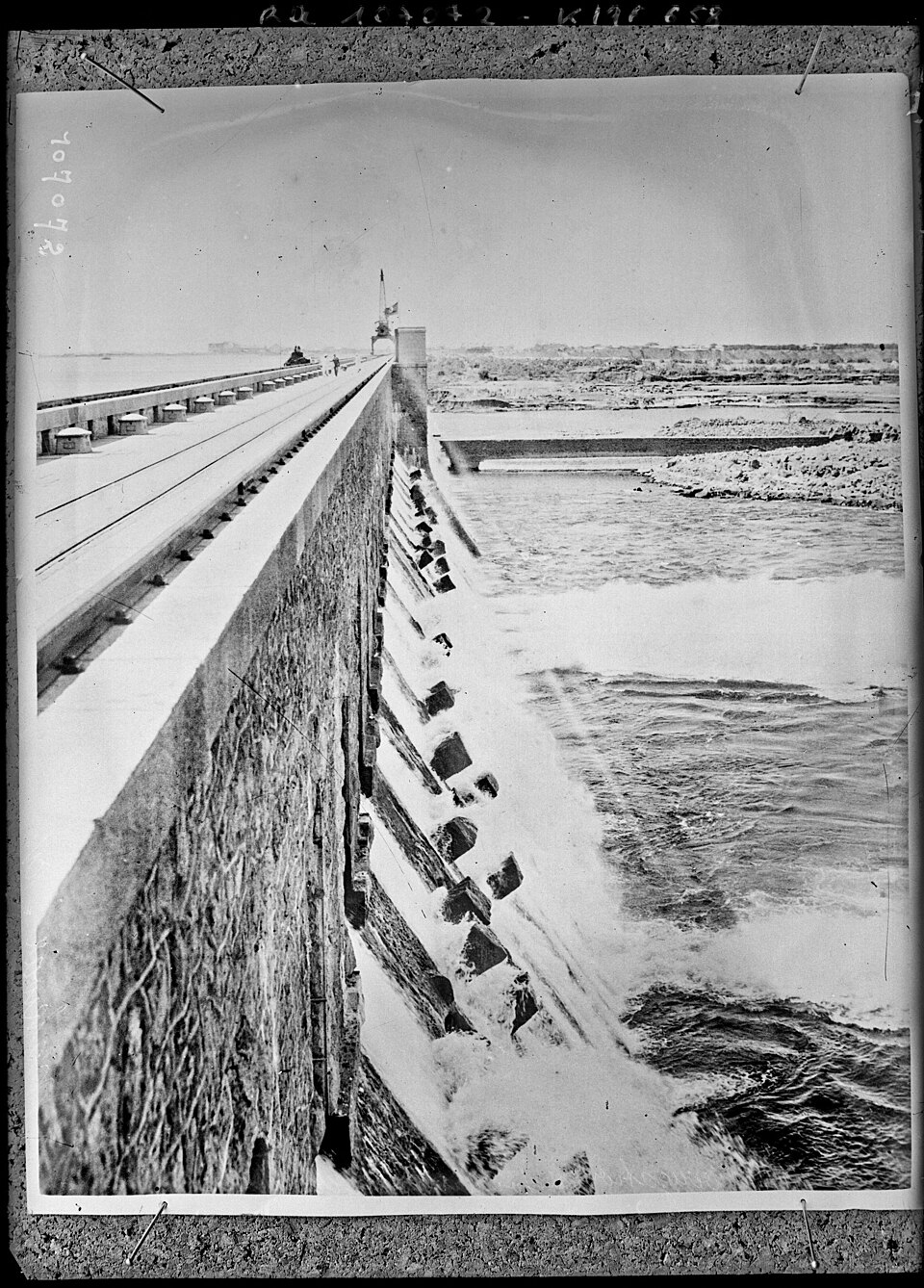 1926 · SUDANSennar: the Blue Nile and colonial cottonAgence Rol / BnF · 1926
Peace is not the same as liberation.
In Peter Brook’s film Tell Me Lies, Stokely Carmichael—who later took the name Kwame Ture—challenged the idea that peace alone was enough. People could live without open fighting and still be denied freedom and equality.
The same tension runs through histories of ceasefires, water treaties, development aid and international peace initiatives. What changed on paper, and what changed for the people living beside the rivers?
What else was happening
at the same time?
In the 1920s, Britain was granting concessions over Palestine’s rivers. French aircraft bombed Damascus. In colonial Sudan, the Sennar Dam began feeding a cotton scheme. Different places, connected through the same imperial age.
Explore the complete historical panoramaDifferent rivers.
Connected struggles.
Across Palestine, Syria, the Nile basin, Indonesia, Afghanistan, Congo and the Americas, follow the people who worked the water and resisted dispossession. Each story has its own chronology and sources.
The lives inside these decisions.
Each name leads to a documented story and the sources preserved beside it.
They were also writing the rules of water.
Alongside conquest, independence and war came a growing international science of rivers: hydraulic surveys, large dams, integrated water management and new legal principles. In 1966, the Helsinki Rules addressed international rivers. The first UN Water Conference met in 1977. A UN watercourses convention was adopted in 1997. In 2010, the UN recognised the human rights to water and sanitation.
Those advances matter. But the international history of water cannot be separated from colonial conquest, unequal finance, occupation or the power to decide whose rights will be enforced. Who held the land, controlled the permits, financed the infrastructure and determined which suffering deserved a political response?
Read the other history →They were never only victims of history.
Farmers reopened wells. Workers organised. Indigenous communities defended fishing grounds. People challenged colonial governments, dictatorships and foreign intervention. Their movements were different, but their histories belong alongside the accounts of those who ruled them.