Afghanistan
Imperial campaigns, villages, irrigation and wars that outlasted their sponsors.
← Choose another history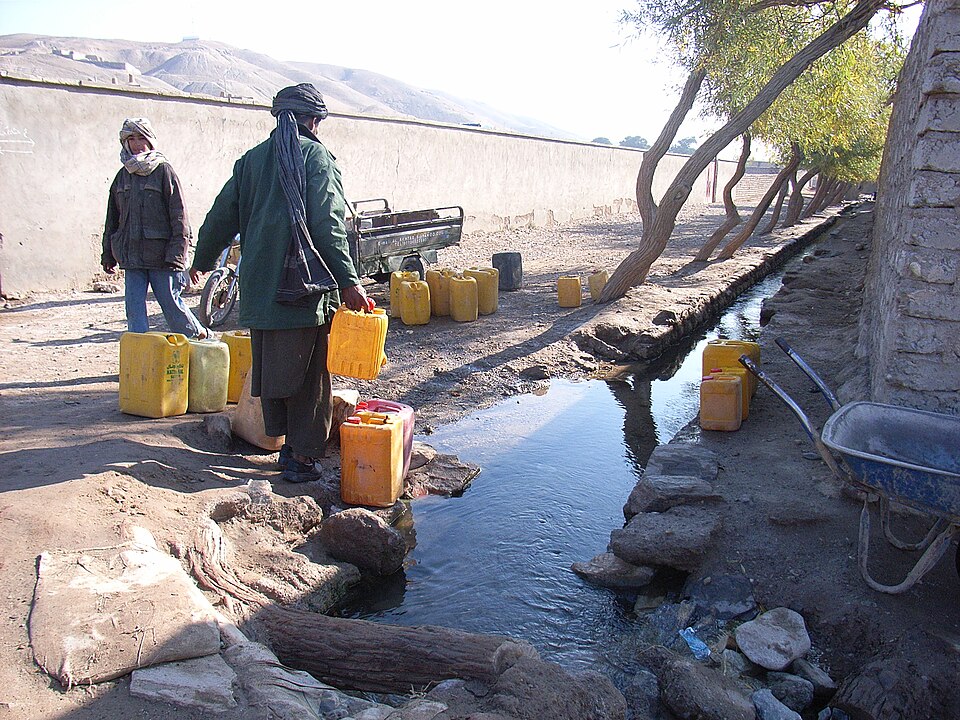
Herat’s canals, farmers and scholars before the modern war map
Herat was not an empty backdrop to armies crossing Afghanistan. Medieval geographers wrote of canals, suburban gardens and cultivated districts along the Harirud. After Mongol destruction, groups including returning weavers participated in restoring waterworks during the thirteenth century. Under the Timurids, major canals were dug or repaired; the Jūy-e Solṭānī, associated with Sultan Abū Saʿīd’s reign in the 1460s, expanded irrigation around Herat. Fifteenth-century agricultural writing recorded crops, horticulture and water practices, while endowments supported some religious and civic institutions. These investments also helped sustain royal estates and aristocratic privilege. The record reveals local builders, knowledge transmission and conflicts over land long before British and Soviet strategists began to describe Afghanistan as a geopolitical corridor.
Original scholarship, heritage record or community history. Follow the source for its historical context.
Read the record ↗Communities, canals and mountains
Afghan communities depended on karez underground channels, springs, snowmelt and river irrigation. The country was not without functioning agriculture before foreign powers drew strategic maps around it.
A British army enters Kabul
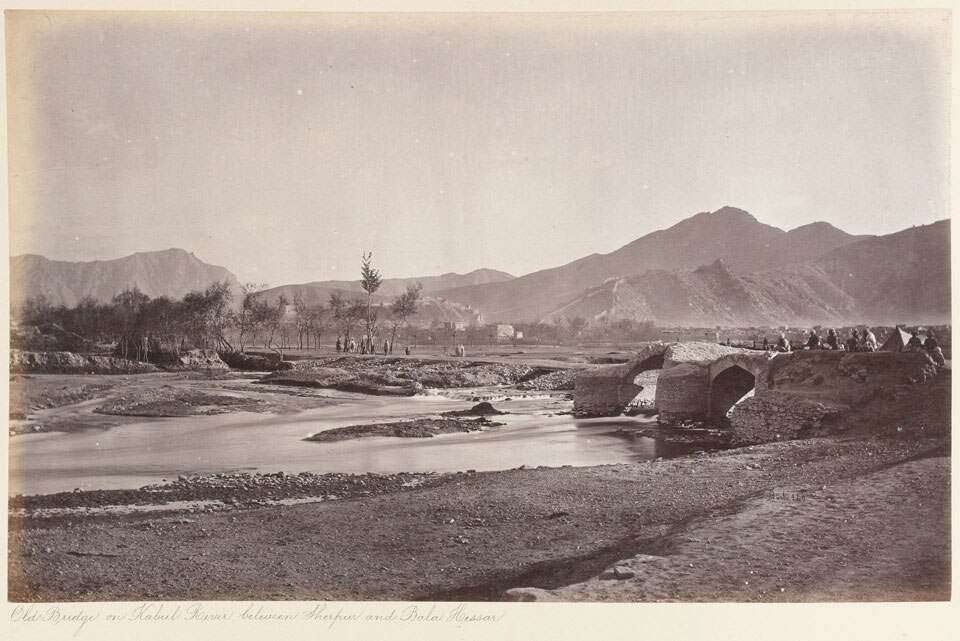
British forces invaded Afghanistan in 1839 to install a ruler they considered favourable to British imperial interests. The occupation, revolt and disastrous retreat left a deep memory of external military intervention.
A British army enters Kabul
The historical record can be read beside this chapter.
Britannica First Anglo-Afghan War ↗Documentary source · No event photograph claimedA second Anglo-Afghan war
Britain invaded again in 1878, seeking to control Afghan foreign relations against the backdrop of rivalry with Russia. The wars affected villages, trade routes and political autonomy.
Soviet troops enter Afghanistan
The Soviet Union invaded Afghanistan in December 1979. The ensuing war displaced millions, killed civilians and destroyed farms and rural infrastructure. Outside governments armed competing sides as Afghanistan became a Cold War battlefield.
Soviet troops enter Afghanistan
The historical record can be read beside this chapter.
UN history Afghanistan ↗Documentary source · No event photograph claimedAn American-led invasion and twenty years of war
Following the 11 September attacks, US and allied forces invaded Afghanistan in October 2001. The Taliban government fell, but war continued for twenty years. Airstrikes, night raids, insurgent attacks and displacement took lives and uprooted families. Foreign donors funded roads, dams and public services while military campaigns and corruption weakened what had been built. For communities maintaining karez channels and fields, water could be interrupted by fighting long after foreign capitals declared progress.
An American-led invasion and twenty years of war
The historical record can be read beside this chapter.
UNAMA civilian protection reports ↗Documentary source · No event photograph claimedA bank without cash, villages without reliable water
When the Taliban returned to Kabul in August 2021, the withdrawal of foreign forces ended two decades of war without leaving a secure economy. International funding was abruptly curtailed, Afghan central bank assets abroad were frozen, and banking transactions stalled. UNDP documented severe liquidity problems and deepening poverty. Farmers also faced drought and flood damage. The restrictions on women and girls introduced by the Taliban added another grave constraint on household livelihoods and public services. Afghans living with these consequences had little control over the military or financial decisions made abroad.
A bank without cash, villages without reliable water
The historical record can be read beside this chapter.
UN OCHA Afghanistan ↗Documentary source · No event photograph claimedEid Bibi walked for water three or four times a day
Eid Bibi, a mother of eight in Naw Abad near Gardez, recalled journeys of sixty to ninety minutes to collect water, several times each day. A solar-powered system was installed in January 2025 through a locally implemented UN-supported project. Her account belongs within Afghanistan’s longer history of repeated foreign invasions, war, displacement and disrupted public investment—but her village’s water problem also has a specific geography and a local response. The workers who installed the system and families who maintain it are part of that history.
Original record: UNDP Afghanistan: Eid Bibi and the Naw Abad project
View the source ↗